


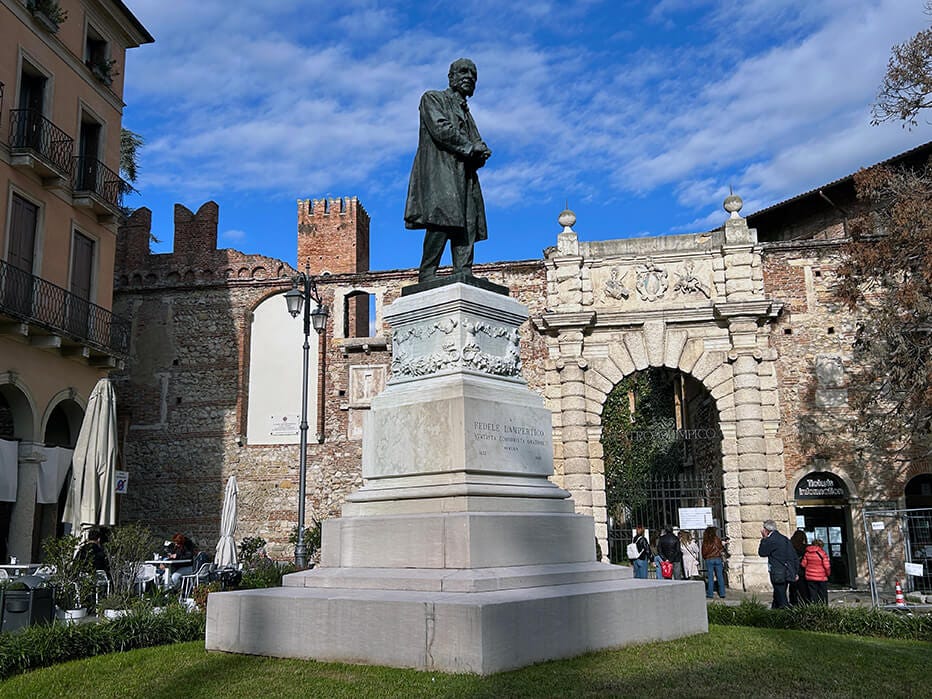
I have rather fallen behind with my updates here, but it has been a busy few months participating in the last of the Vanbrugh300 celebrations. I loved visiting Seaton Delaval in Northumberland in October to give a joint lecture with Dr Nicholas Helm about Vanbrugh’s opera house in the Haymarket (summarised here). It was a treat to re-visit this Vanbrugh house at dusk, when it has a extremely brooding and mysterious atmosphere (sadly the resident bats did not make an appearance!)
A week or so after the lecture, I was lucky to visit an historic theatre which is still extant - the Teatro Olimpico in Vincenza - and which was certainly known to Vanbrugh. My husband and I attended two performances there by the Budapest Festival Orchestra, which occupies the Olimpico each year for opera and concert performances (audience numbers are limited to 400 for conservation reasons).
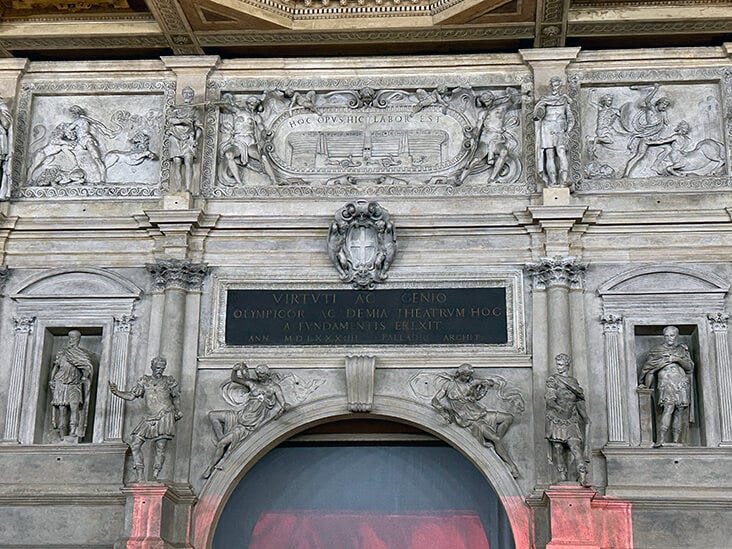
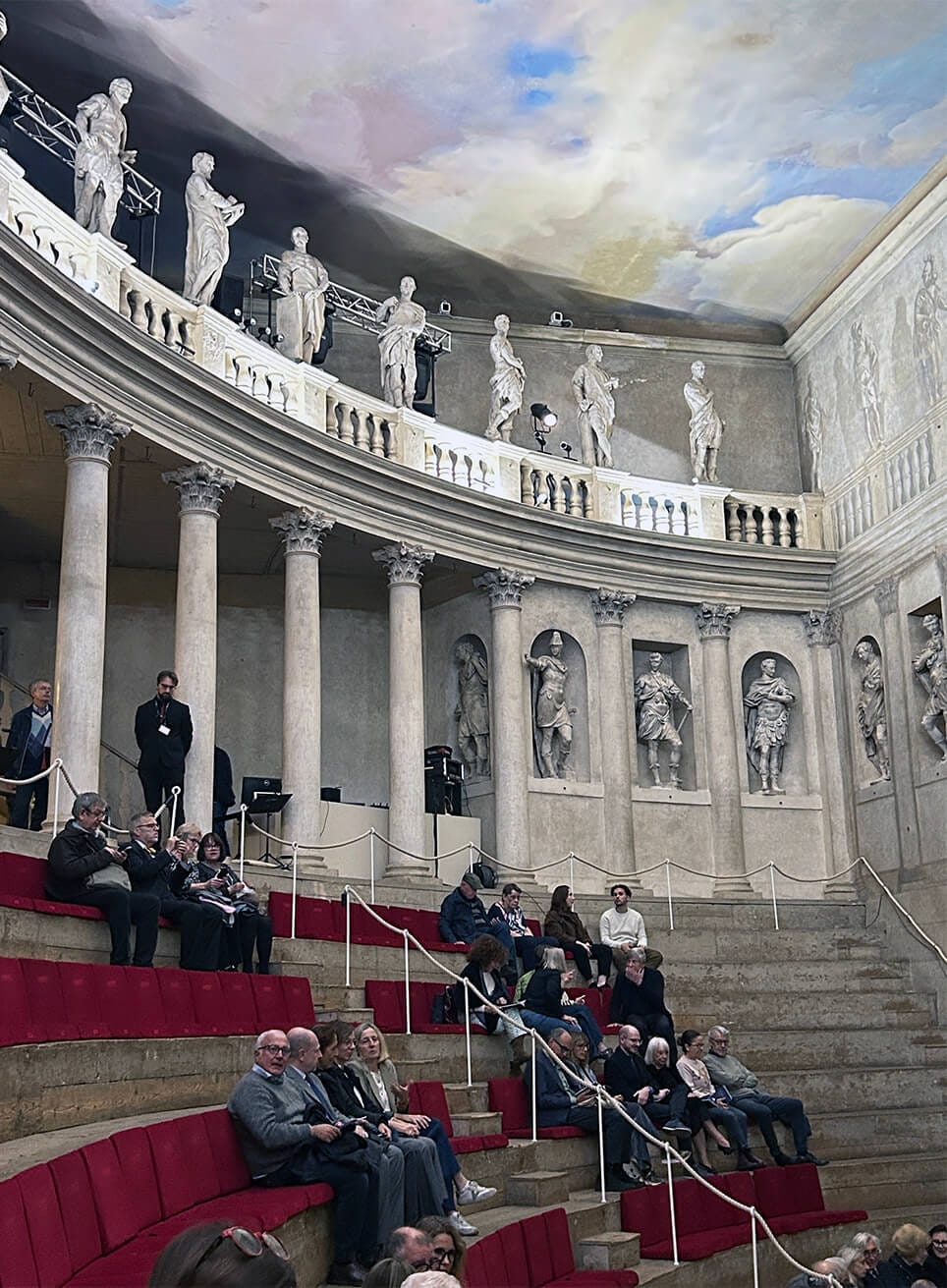
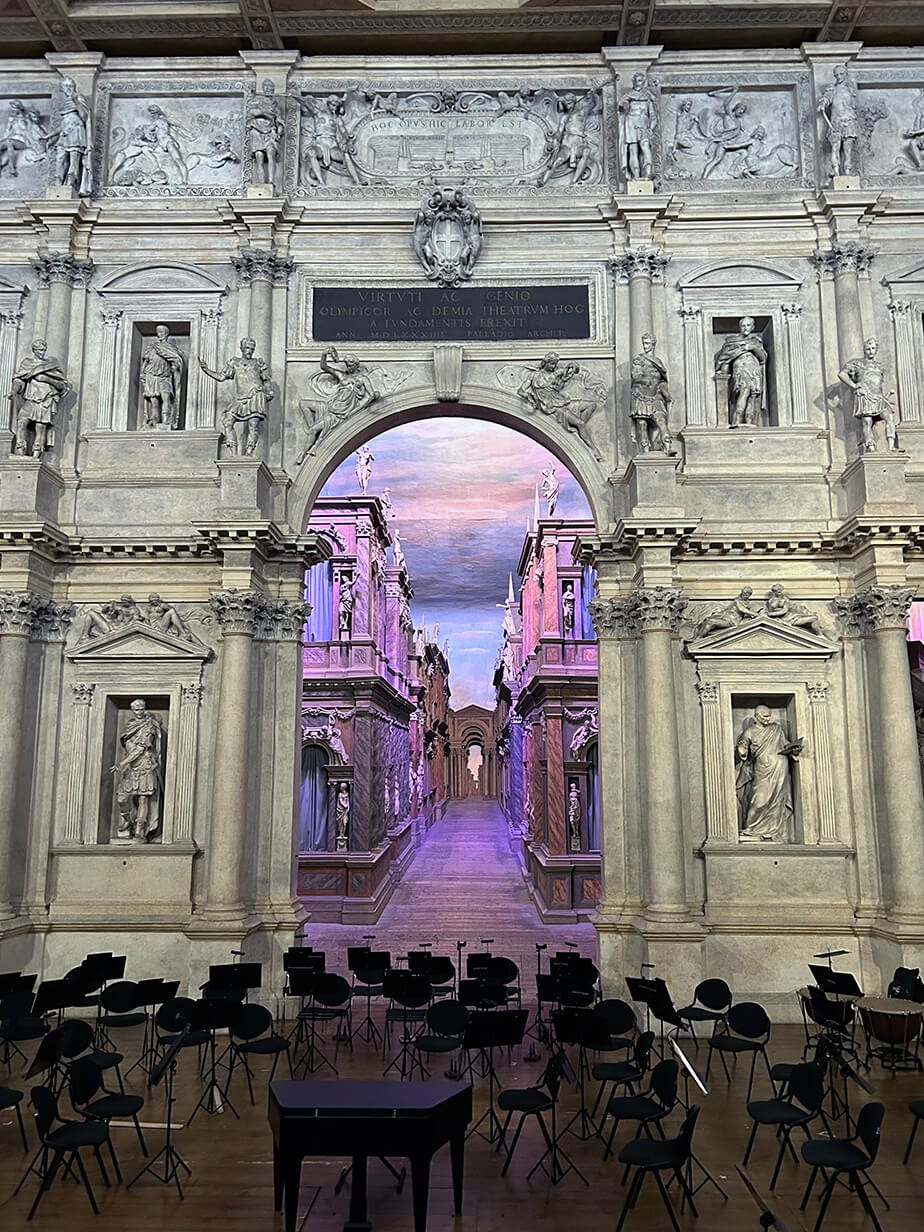
The theatre itself is both impressive and architecturally important. It was built between 1580 and 1585 to plans by the architect Andrea Palladio. However, the latter died just six months into the construction, so the job was taken over, firstly by Palladio’s son, Silla, and then by Vicenza’s other prominent architect: Vincenzo Scamozzi. The Teatro Olimpico was originally home to the Accademia Olimpica, which was founded there in 1555, and its members are depicted - in Roman dress - on the permanent architectural backdrop - known as the scaenae frons. There is a frieze at the top which depicts the labours of Hercules, and in the centre above the arch is an inscription commemorating Palladio’s achievement.
Although the latter’s aims were to reconstruct an ancient Roman theatre - which would have been open to the sky - he thankfully put a roof on this one (here the ‘sky’ is painted on the ceiling: not unlike Christopher Wren’s Sheldonian Theatre in Oxford, which was clearly inspired by the Olimpico).
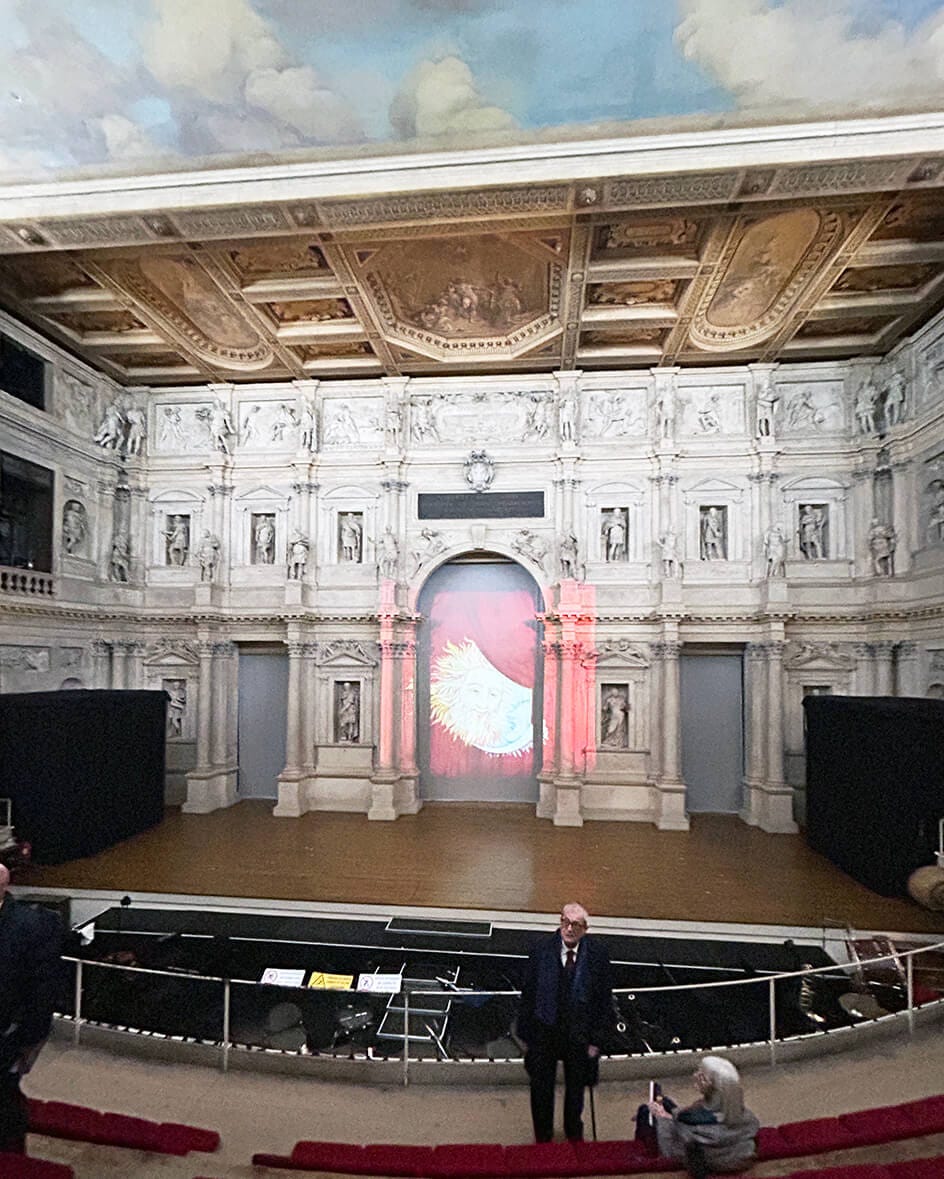
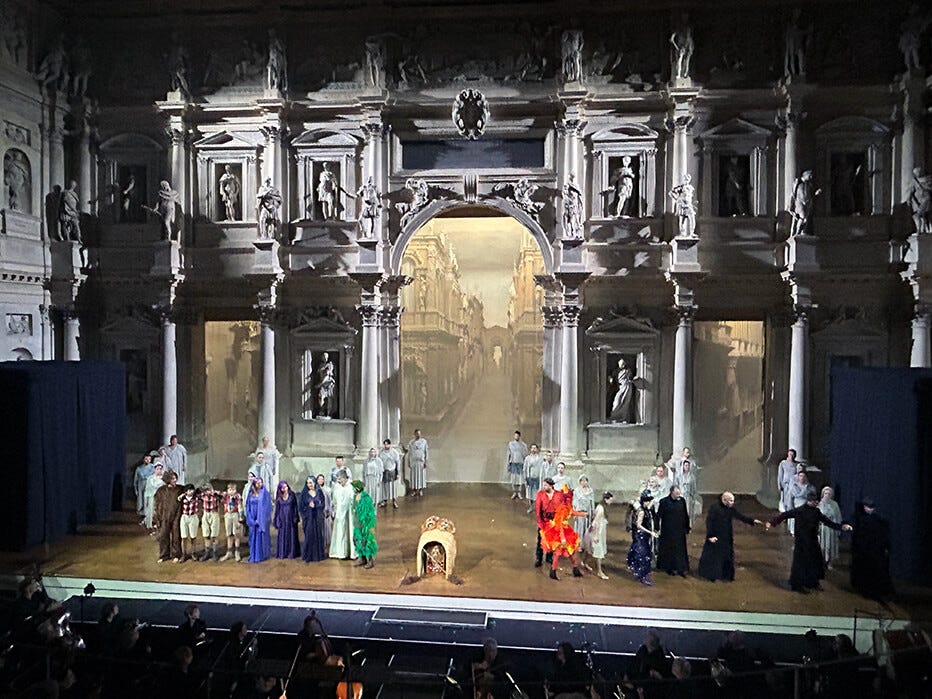
On the first night of our visit, we watched The Magic Flute performed in front of the scaenae frons. The view through the arches was blocked by white material which allowed animations to be projected during the action, but in the final scene (below) these were removed to reveal a perspective set by Scamozzi.
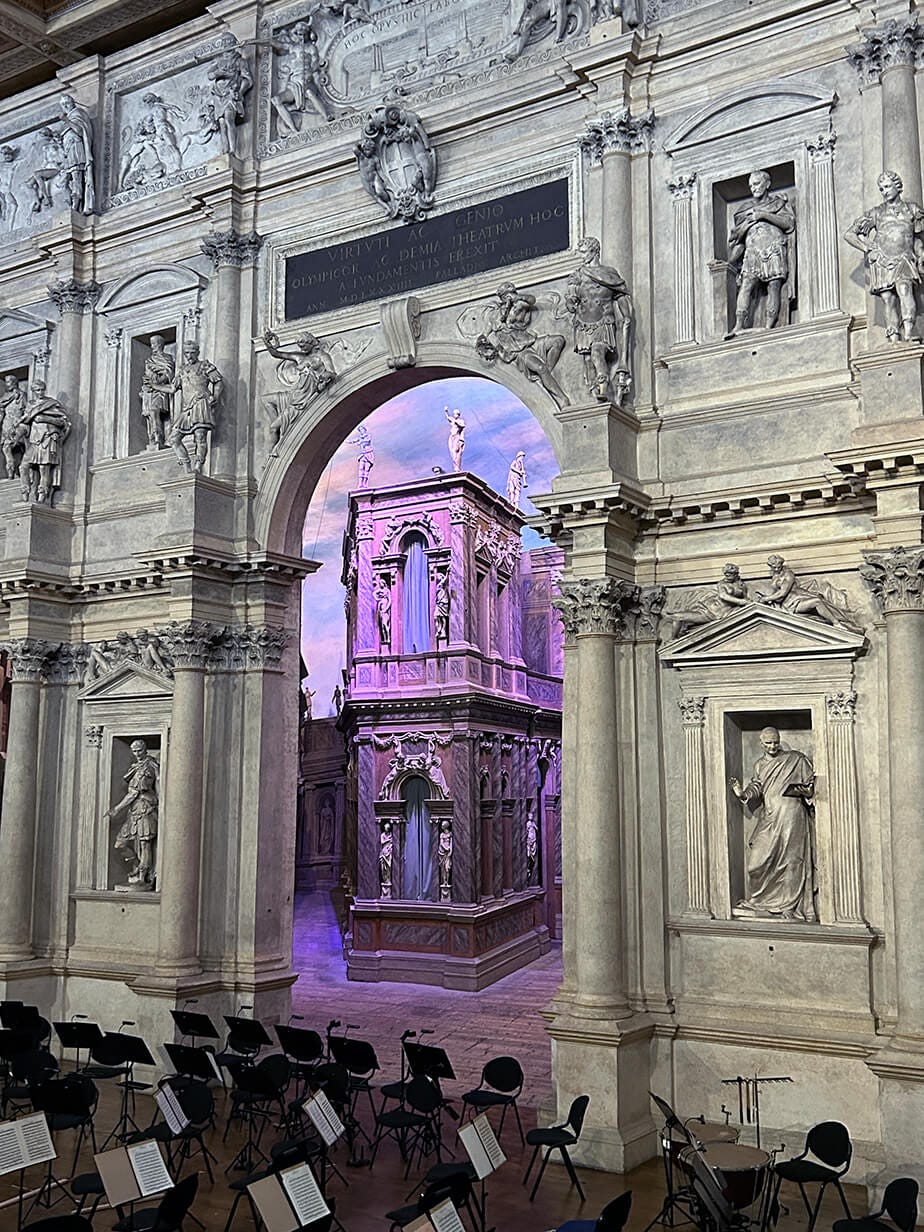
This was of great interest to me, and I was delighted to see it clearly (i.e., not covered with gauze) on the following night’s concert performance (below). There are many remarkable things about Scamozzi’s wooden set; firstly, it was installed for the theatre’s first production in 1585 … where it’s been ever since.1 The set depicts the streets of Thebes and was the first practical introduction of perspective views into Renaissance theatre.2 It is a one-point-perspecive view, which means that the best place to see it is from the centre of the auditorum (where we were sat for The Magic Flute) but Scamozzi did ensure that wherever you were seated, you would at least see part of it. This was remarked upon by Inigo Jones - when he visited the Olimpico in the 17th century - as one of theatre’s chief artifices.3
On the second night we had the opportunity to examine the set from the side - and I also lingered after the concert was over, to get a look from the centre. Needless to say, it is fragile and also highly flammable, judging from the presence of members of the local fire brigade at every performance!
A few of my photographs are below.
It was a producion of Sophocles’ Oedipus Rex with music by Andrea Gabrielli.
Although impressive, it was not terribly flexible, and you can see why light painted backdrops became the norm.
Jones annoted his own copy of Palladio’s Quattro Libri with a note saying ‘that whear so ever you satt you sawe on[e] of these Prospectes’.
I was not expecting that! As you note, it does determine what can be done without covering it up, but what a great amount of visual depth for the stage, when it works.